Mold Inspection And Removal in Essex County, NJ
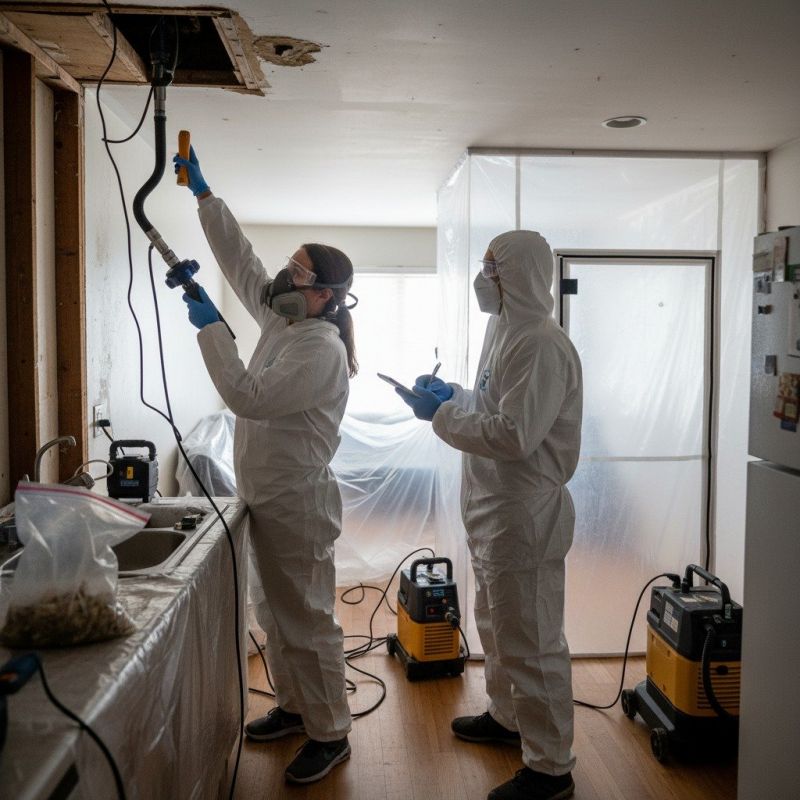
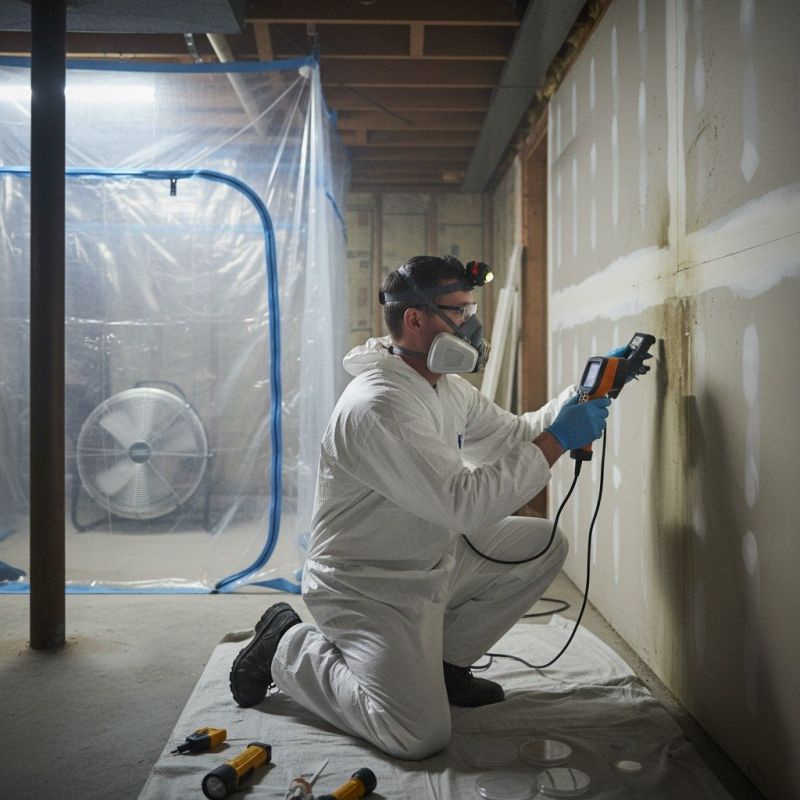
Mold inspection and removal services are designed to identify and eliminate mold growth within residential properties. These services typically cover areas such as basements, bathrooms, attics, and other spaces prone to excess moisture. Homeowners often request mold inspections when they notice visible mold, persistent musty odors, or signs of water damage, aiming to assess the extent of mold presence and determine the best course of action for removal. Understanding the scope of the project, including affected areas and potential health concerns, is an important step before requesting these services.
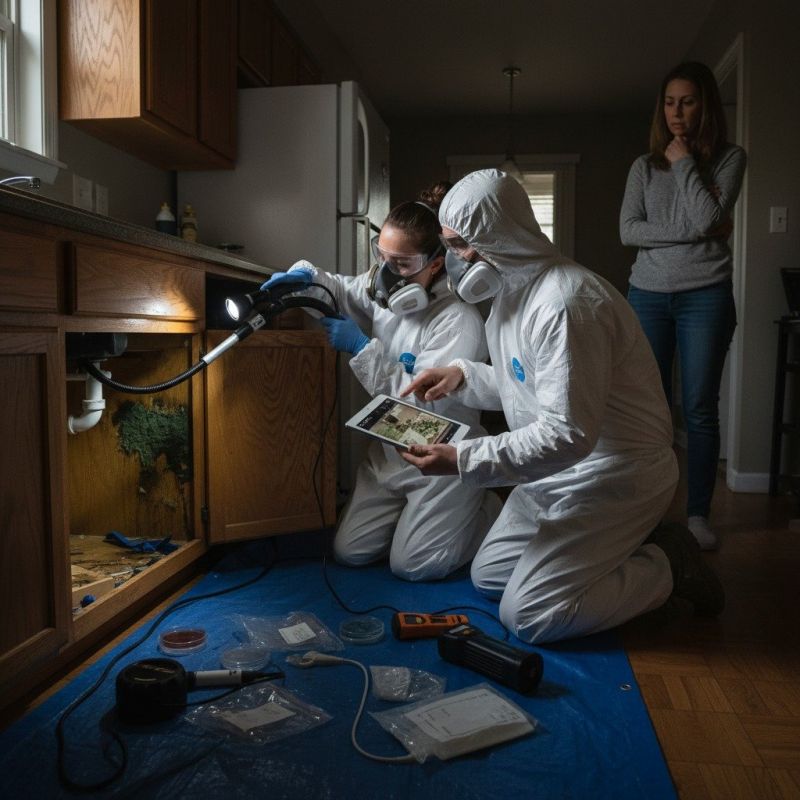
Property owners should be aware that mold can develop behind walls, under flooring, or in hidden spaces, making thorough inspections essential for accurate detection. They usually want to know about the process involved in mold removal, the importance of addressing underlying moisture issues, and potential impacts on indoor air quality. Clear communication about these factors helps ensure that the inspection and removal process effectively restores a healthy living environment.
Many property owners in Essex County, NJ look into Mold Inspection And Removal for repairs, replacements, upgrades, and appearance-related improvements.
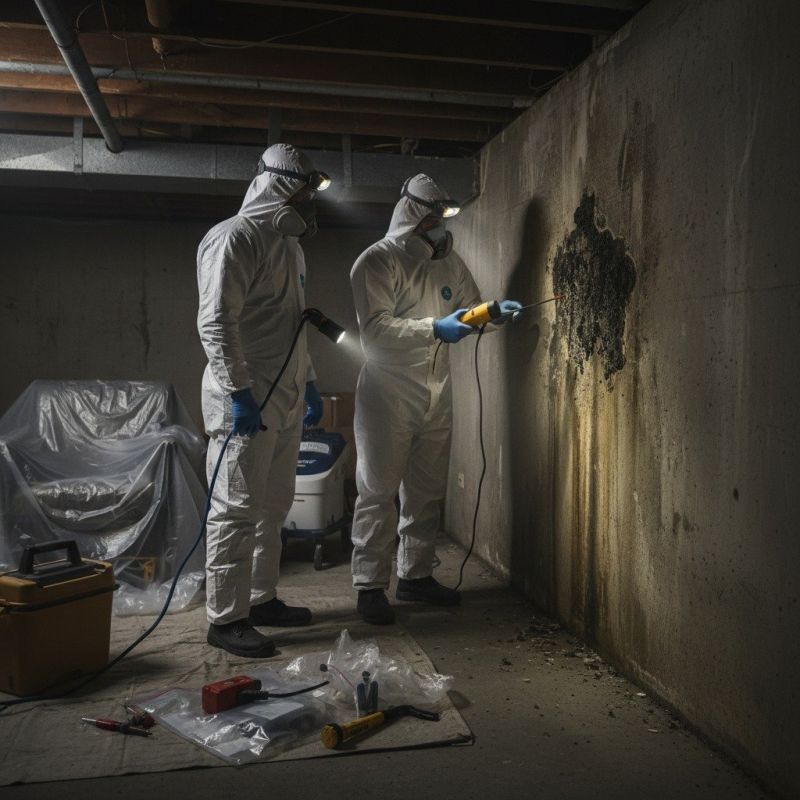
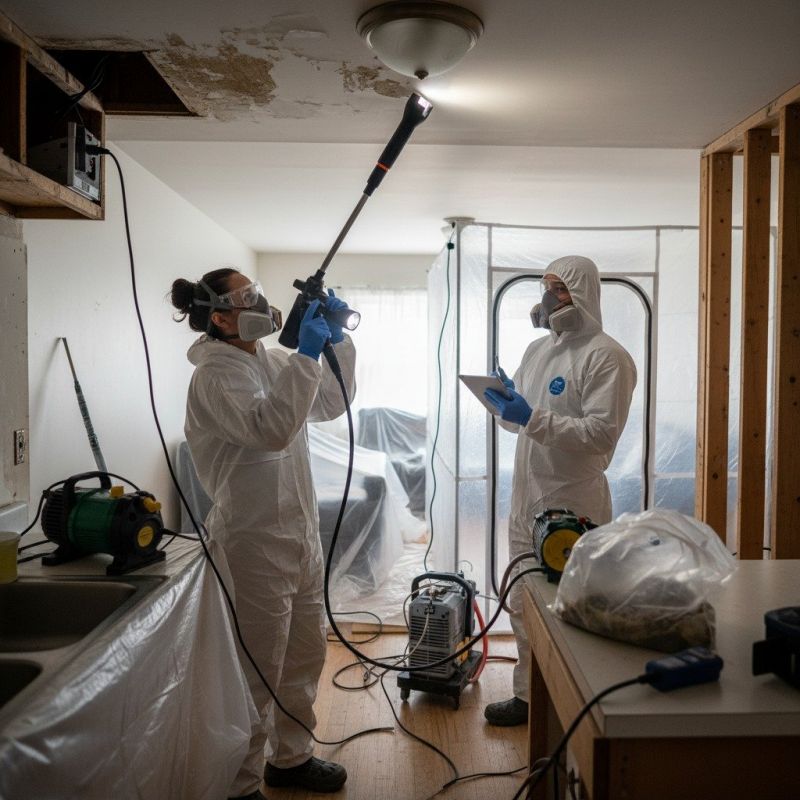
Identifying Mold Risks
Comprehensive inspections help detect hidden mold growth in residential and commercial properties.
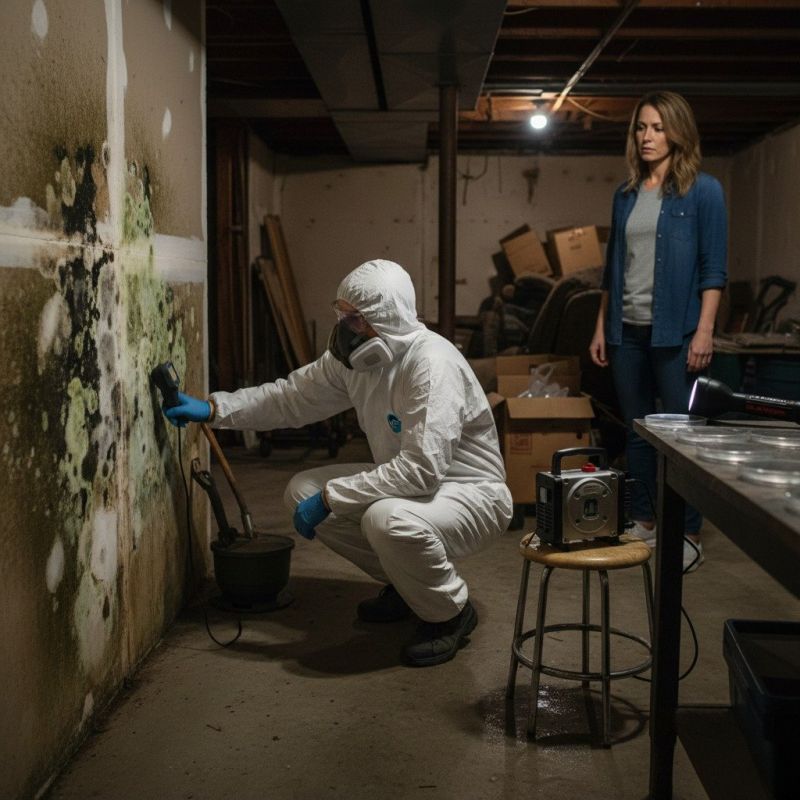
Effective Mold Removal
Professional removal services ensure mold is safely eliminated from affected areas to protect health and property.
Preventative Solutions
Assessments include recommendations to prevent future mold problems in homes across essex county, nj.
Mold Inspection And Removal in Essex County, NJ
Mold inspection and removal services are designed to identify and eliminate mold growth within residential properties. These services typically cover areas such as basements, bathrooms, attics, and other spaces prone to excess moisture. Homeowners often request mold inspections when they notice visible mold, persistent musty odors, or signs of water damage, aiming to assess the extent of mold presence and determine the best course of action for removal. Understanding the scope of the project, including affected areas and potential health concerns, is an important step before requesting these services.
Property owners should be aware that mold can develop behind walls, under flooring, or in hidden spaces, making thorough inspections essential for accurate detection. They usually want to know about the process involved in mold removal, the importance of addressing underlying moisture issues, and potential impacts on indoor air quality. Clear communication about these factors helps ensure that the inspection and removal process effectively restores a healthy living environment.
Many property owners in Essex County, NJ look into Mold Inspection And Removal for repairs, replacements, upgrades, and appearance-related improvements.
Common Mold Inspection And Removal Jobs
Mold Inspection Services - thorough assessments identify mold presence and source locations within properties.
Mold Removal Services - targeted cleaning and containment eliminate visible mold and prevent spread.
Moisture Detection - identifying excess humidity and leaks that contribute to mold growth.
Indoor Air Quality Testing - evaluating air for mold spores to assess health risks indoors.
Remediation Planning - developing effective strategies to address mold issues and restore indoor safety.
Post-Remediation Verification - confirming that mold has been properly removed and conditions are safe.
Mold Inspection And Removal Questions
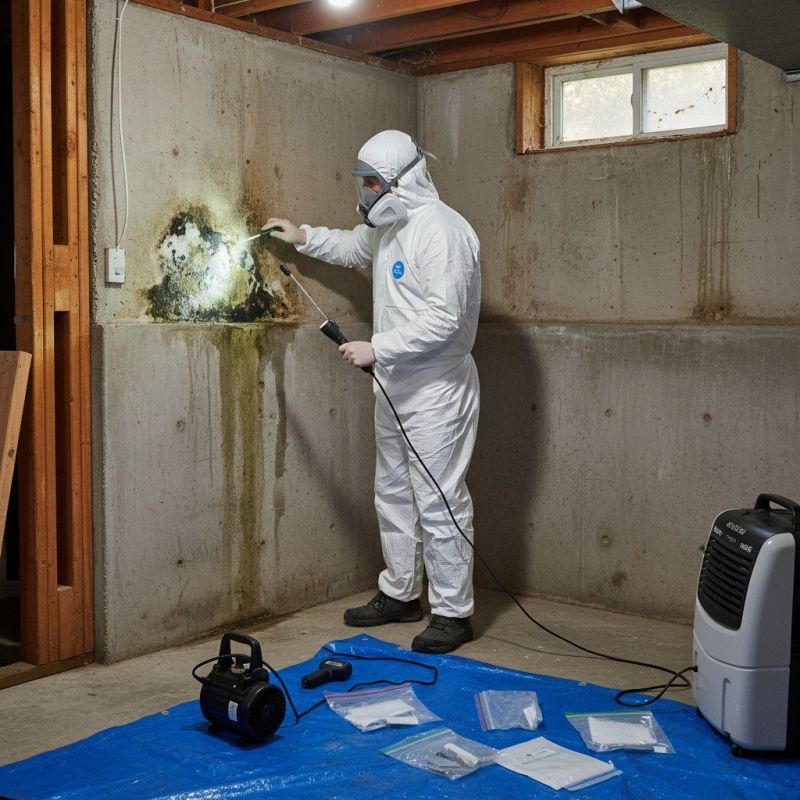
What is involved in a mold inspection? A mold inspection typically includes a visual assessment of the property and may involve air and surface sampling to identify mold presence and types.
When should mold removal be considered? Mold removal is recommended when visible mold growth is present or when testing shows elevated mold levels that could affect indoor air quality.
How can mold affect a property? Mold can cause property damage to surfaces and materials, and may contribute to health issues for residents or occupants.
What are common sources of indoor mold? Common sources include leaks, high humidity, poor ventilation, and water intrusion from roofing or plumbing issues.
Request Mold Inspection And Removal in Essex County, NJ
Use the quote form on this page to share the basics of your project and request more information for the type of work you need.